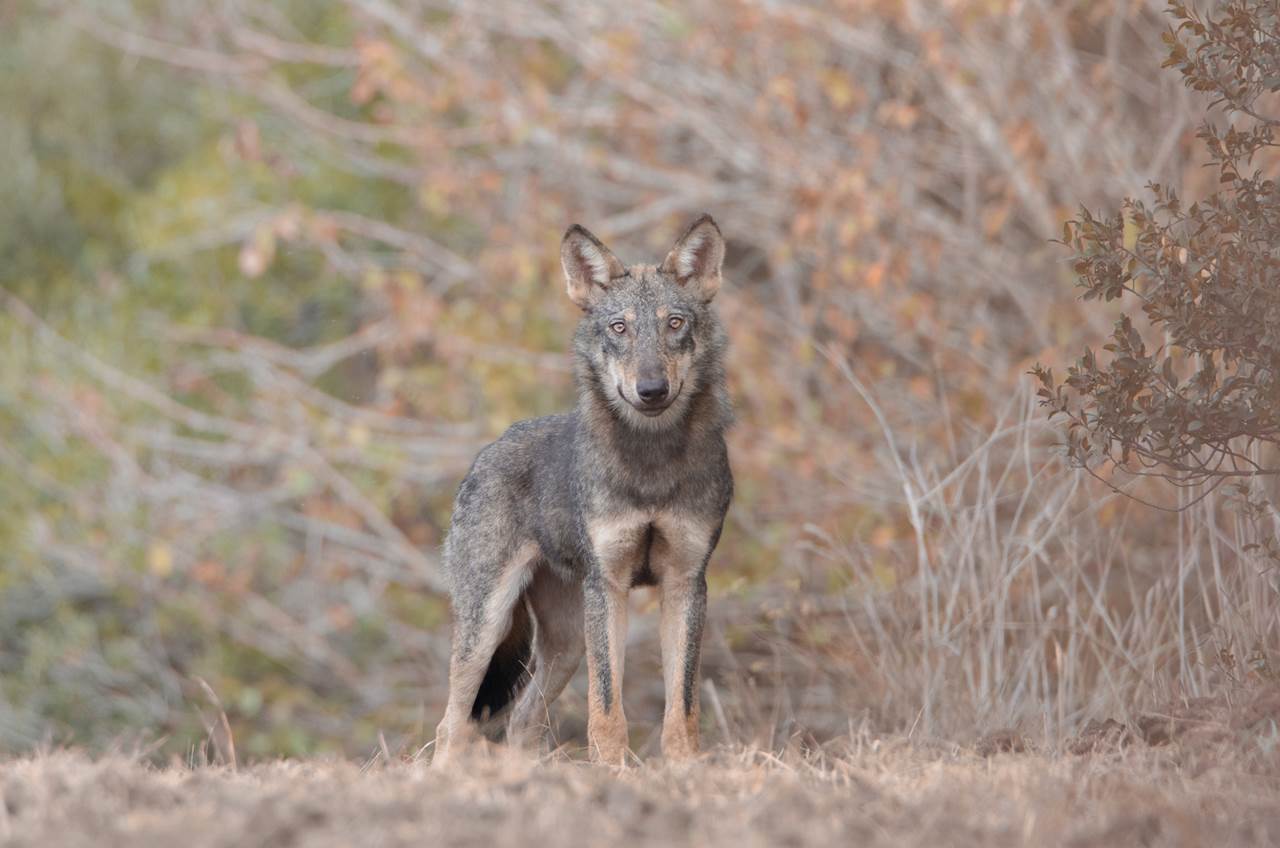
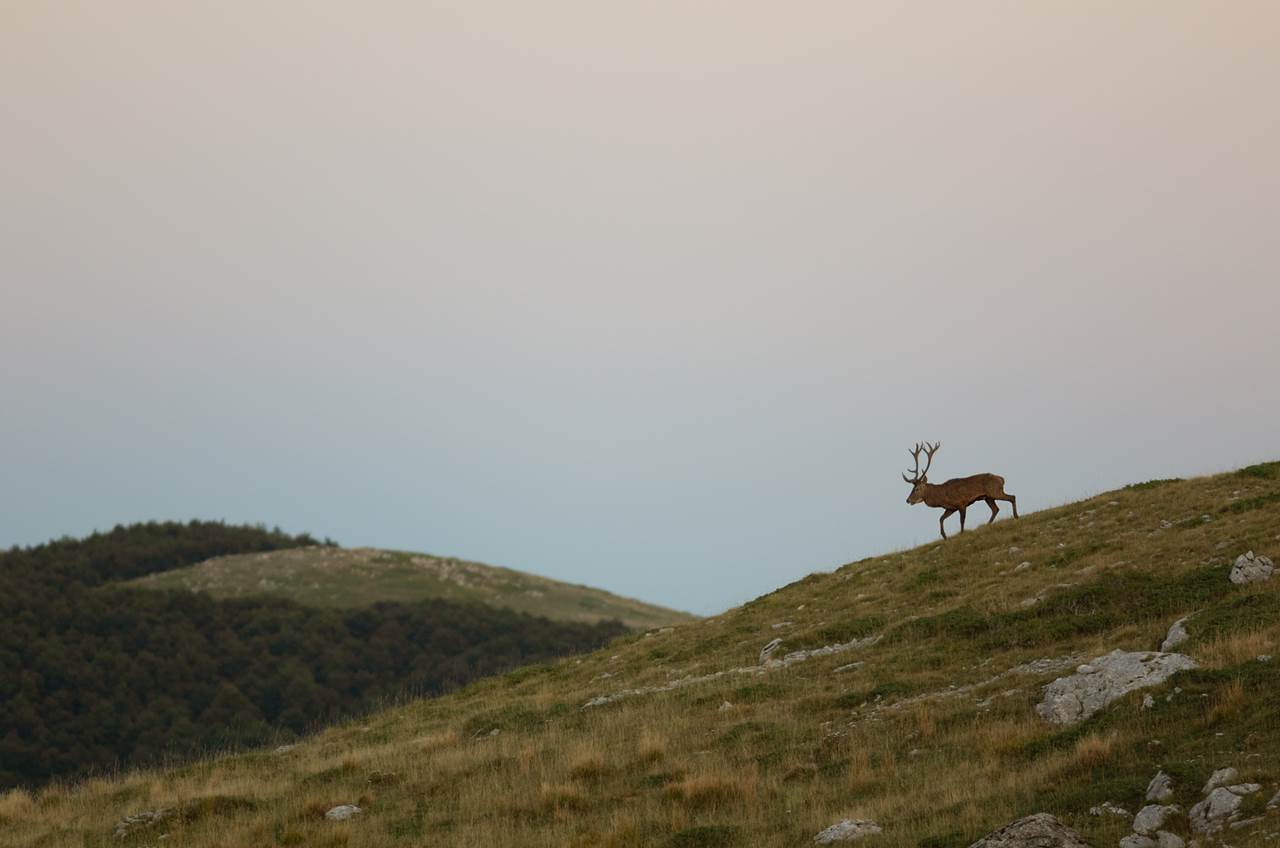
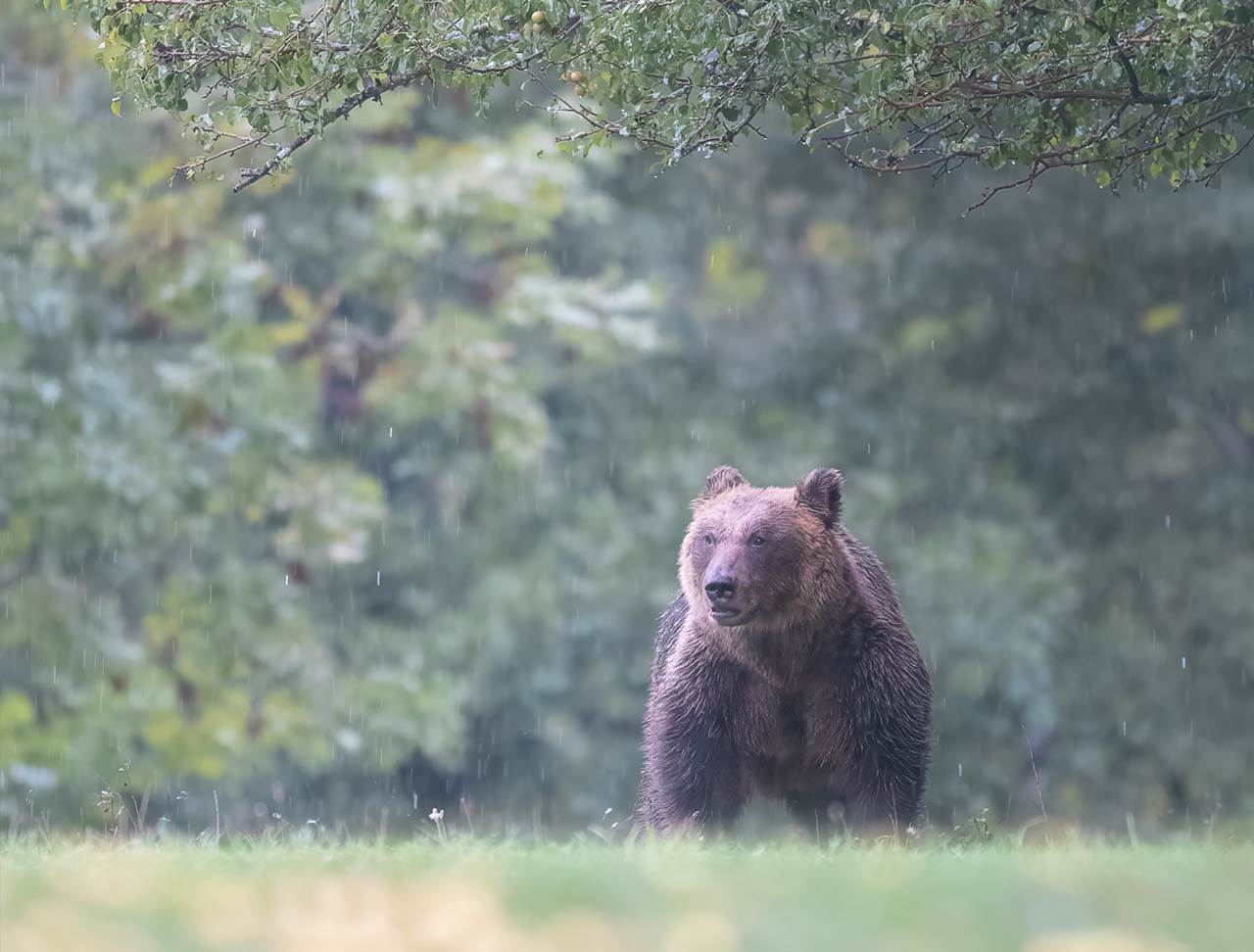
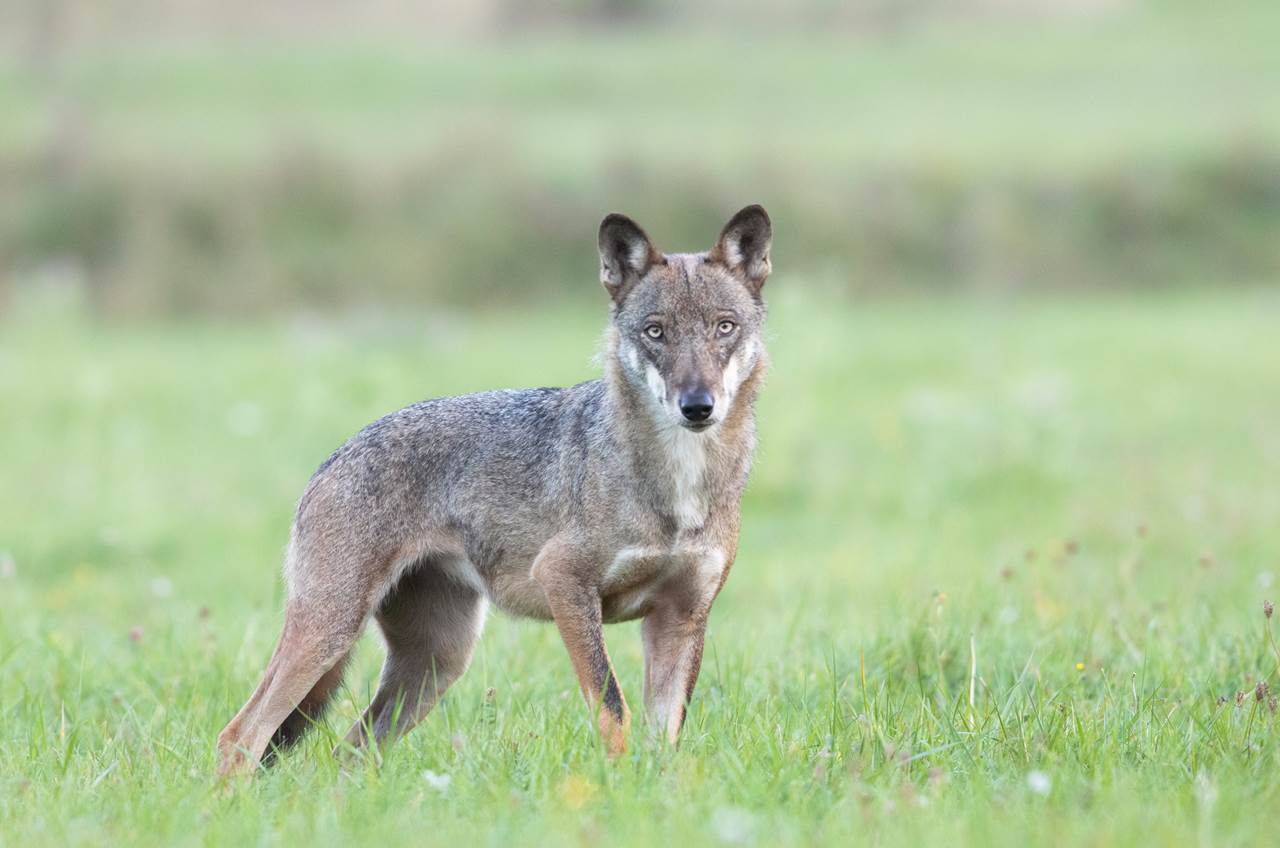
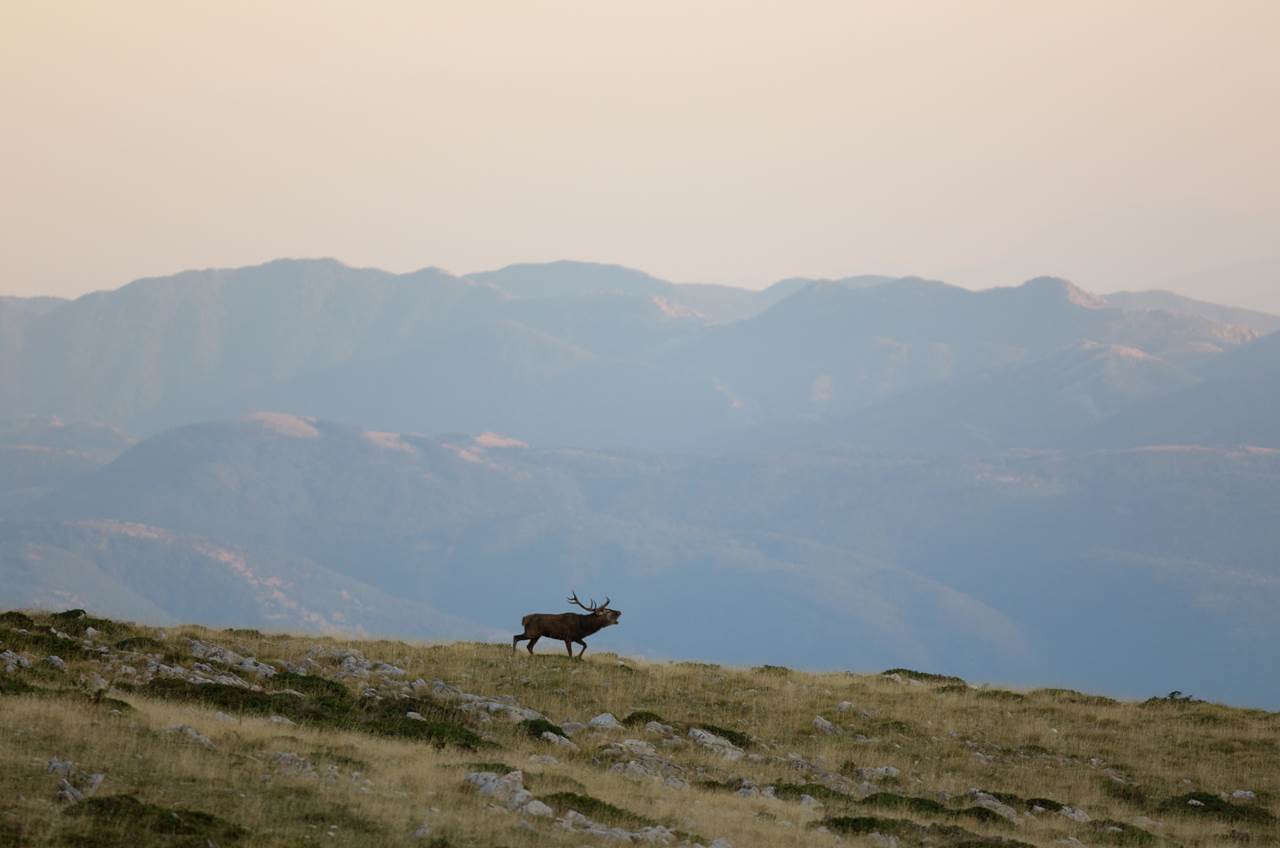
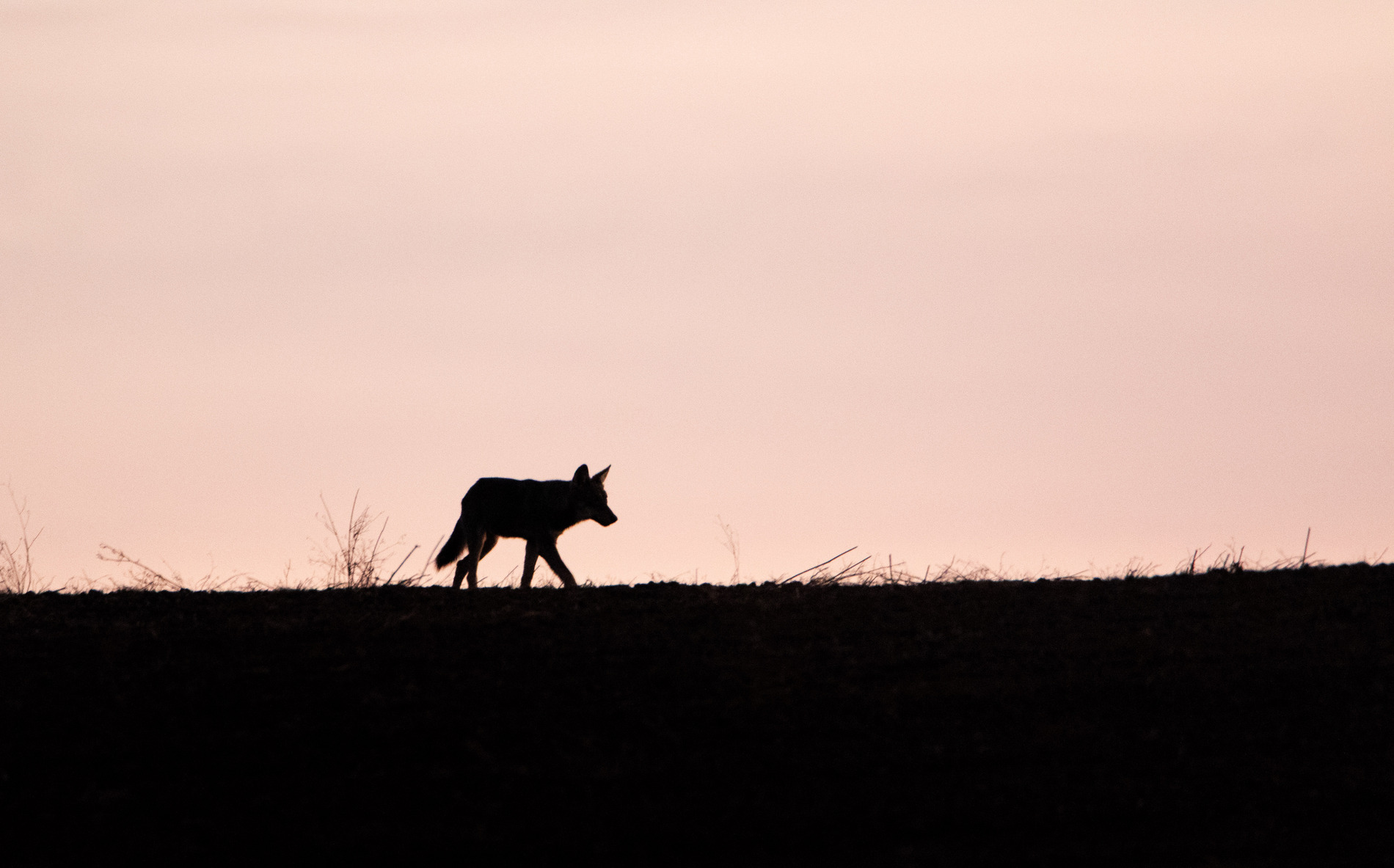
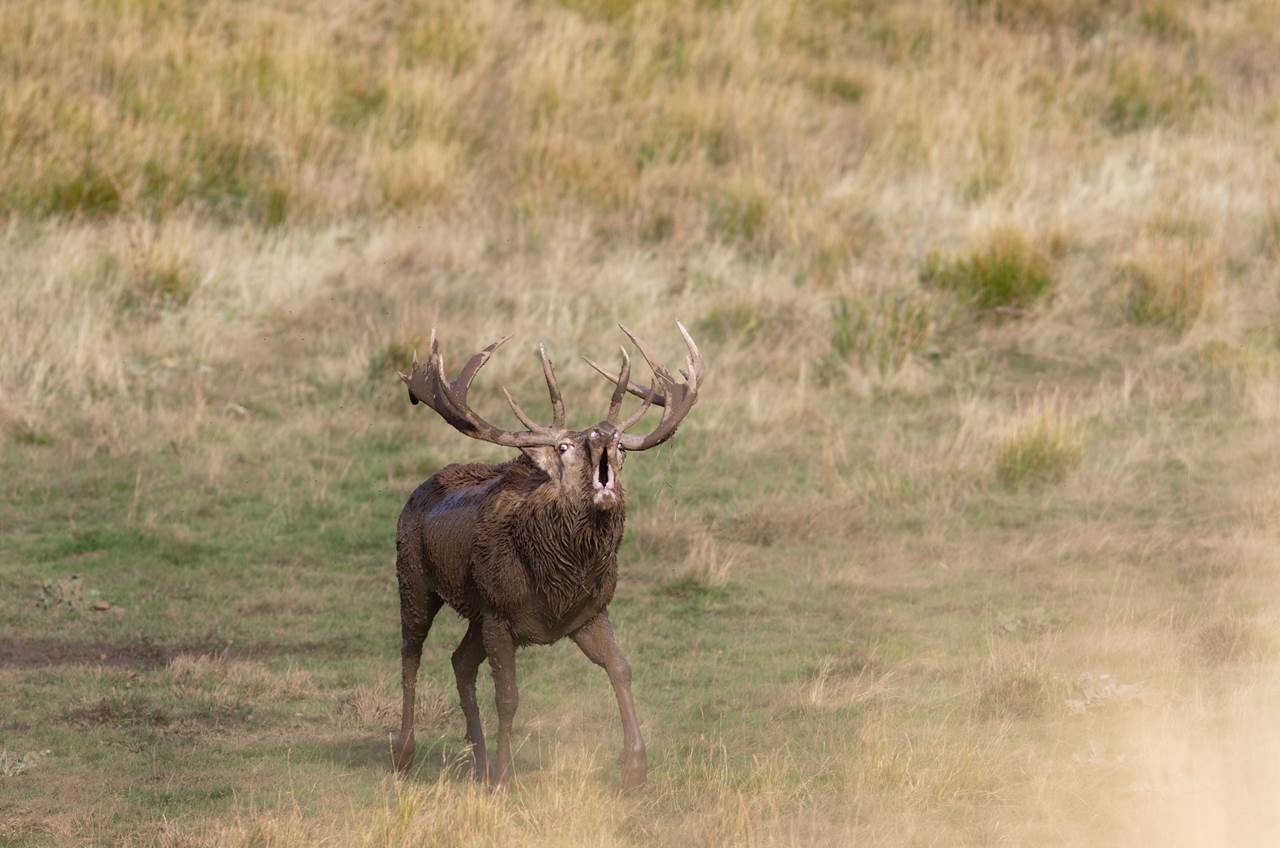
This remote mountain region is a sanctuary for wildlife and ancient forests, where brown bears, wolves, red deer and chamois roam among beech woods, high plateaus and rugged limestone ridges. August is a magical and crucial month for the survival of this species. It is the time when the buckthorn (ramno) ripens—a shrub that produces small, sugary berries that the bears are absolutely crazy about. To stock up on energy ahead of the winter, the bears move in large numbers to high altitudes, frequenting mountain blueberry fields and rocky screes. This predictable behavior significantly increases our chances of observing them in their natural habitat while fully respecting their peace and tranquility. Guided by a local expert deeply connected to these mountains, we will move through quiet forests, remote ridgelines and scenic valleys in search of compelling compositions and authentic wilderness moments. This experience is designed for photographers who want to immerse themselves in Italy’s wild side while discovering one of the most beautiful and biodiverse protected areas in Europe.
Day 1 – Arrival, Biological Introduction, and First Twilight Sightings
Our journey begins on the northern slope of the park, where ancient villages stand guard over dense forests and lonely valleys. After meeting the group and checking in, we will hold our first briefing dedicated to the biology of the Marsican bear and the behavioral rules for ethical and respectful wildlife viewing. In the afternoon, we will move to the areas around Ortona dei Marsi and San Sebastiano dei Marsi, small historic settlements considered among the wildest gateways to the protected area. Here, we will conduct our first photographic scouting session at scenic viewpoints overlooking the valleys, where bears often descend to feed in old, abandoned orchards, making the most of the warm sunset light.
Day 2 – Great Forests and Tracking in the Cicerana Valley
Today we dive deep into the heart of the park to explore the forest ecosystems where the bear seeks shelter during the hottest hours of the day. We will dedicate the day to exploring the Vallone della Cicerana, a remote and solitary valley enclosed by centuries-old beech forests, which are designated as a UNESCO World Heritage site. We will walk along the trails looking for signs of presence—such as footprints, scat, and broken branches—before positioning ourselves at the edge of the high-altitude clearings. The transition zone between the forest and the meadow offers excellent chances for wildlife sightings and extraordinary inspiration for landscape photography. In the evening, we will reach Pescasseroli, the historic capital of the park, to review the day's shots together.
Day 3 – Along the Riverbeds and the Pastures of Villetta Barrea
Today we will move along the river corridors and mountain complexes that connect the park's different valleys. We will explore the beautiful surroundings of Villetta Barrea, a famous area where wildlife lives in close contact with humans and where close encounters with large noble red deer are frequent. We will hike up to viewpoints overlooking the surrounding valleys, constantly monitoring the sun-exposed clearings where bears roam in search of food. The combination of flowing rivers, dense woods, and rocky crags will make our photography sessions diverse and full of opportunities.
Day 4 – High Altitudes and the Kingdom of the Buckthorn
This day is entirely dedicated to the main goal of the tour: reaching the primary high-altitude grasslands where the buckthorn bushes are heavy with fruit. We will head toward the Passo Godi area, one of the most scenic passes in the Apennines, surrounded by completely untouched nature. From here, we will undertake a trek toward the ridges and high glacial valleys leading to Monte Turchio or Monte Palombo. Settling into the high-altitude cirques, we will spend several hours waiting in silent observation, with telescopes and telephoto lenses aimed at the bear’s feeding grounds, immersed in the vastness of the Apennine landscape.
Day 5 – Final Dawn in the Mountains and Return to Rome
Our final morning features an early wake-up call to take advantage of the first hours of daylight, which represent the peak activity period for large mammals. We will climb to a final strategic viewpoint to capture the morning light illuminating the peaks of the Apennines and attempt a last sighting of the park's wildlife—from bears to wolves, and even the Abruzzo chamois. After a late breakfast and a light farewell lunch to look over the photos we took and say our goodbyes, we will begin our journey back to Rome, with arrival expected in the late afternoon.
What to Bring:
To fully enjoy the experience and adapt to mountain conditions, we recommend bringing:
Mountain weather in the Apennines can change quickly, so layering is always recommended.
Rome
Guided by Filippo Parentela
Filippo Parentela is an Italian ethologist and certified environmental hiking guide specializing in wildlife behaviour and large carnivores. His academic work focused on the environmental suitability of the Italian wolf (Canis lupus italicus) in the Maritime Alps, and for several years he has been actively involved in wolf monitoring and conservation initiatives. He has collaborated with projects such as the monitoring program of the LIPU at the Castel di Guido Nature Reserve and international conservation initiatives including the LIFE WOLFALPS EU and LIFE WILD WOLF.
Today Filippo works as a wildlife guide across Italy and abroad, leading photographers and nature enthusiasts through wild landscapes while sharing his deep knowledge of animal ecology, tracking techniques, and ethical wildlife observation. During this expedition he will guide us through the ecosystems of the Abruzzo, Lazio and Molise National Park, helping participants interpret animal tracks, understand wildlife behaviour, and approach nature photography in a responsible and respectful way.